


13.08.2025
The Brainfix Series 9 - Bonus tips - part 2 and The Brainfix Series 10 - Epilogue - How it all ends
Welcome to the final Episodes of our Brainflix series!

Let’s start with - last but not the least - episode nine: some more bonus tips!
In the first 7 episodes we have learned that we can increase the success rate of change projects by focussing on SSS - make it Specific, make it Smooth and make it Small. But there are of course many more ways to achieve this goal.
In the previous episode we already gave some extra bonus tips and with this 9th episode we'll list some more to make sure that the new behaviour will stick longer.
Let’s dive in!
💡Bonus tip: Make it more fun 🎉
When it comes to adopting new behaviours, the road to change can often feel mundane and uninspiring. Whether it's prioritising tasks, working more efficiently, or any other habit we want to cultivate in the workplace, the steps to success may seem straightforward but sticking to them can be challenging.
The solution? Injecting some fun into the process.
Take, for example, the habit of attending meetings on time and actively participating. We know that being punctual and engaged can lead to better collaboration and productivity, but sitting through meetings can sometimes feel like a chore. However, by adding an element of fun, such as setting a timer for each agenda item and rewarding yourself with a short break or a small treat after each successful meeting, you can turn it into a game and make it more enjoyable.
Or let’s zoom in on the habit of being more innovative. It could be very simple by putting a flipchart with a certain challenge next to the coffee corner. Maybe we could decorate the area with colourful and inspiring visuals and provide tools and resources for brainstorming. By creating a fun and inviting environment for innovation, you can inspire your team to think creatively.
The key is to find ways to make the desired behaviour more enjoyable and rewarding. By tapping into the power of small rewards, such as the satisfaction of completing a task or the joy of engaging with colleagues, you can train your unconscious brain to associate the behaviour with positive feelings. Over time, this can make it easier to stick to your habits and achieve your goals.
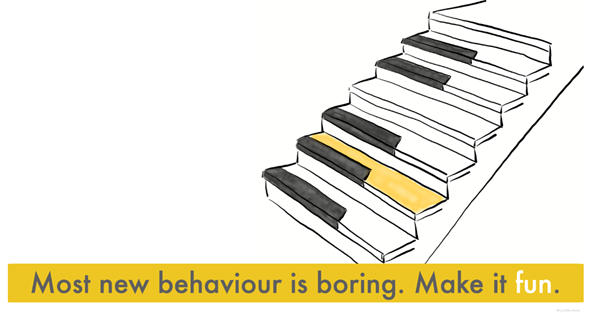
🎹 A great example is the Piano Stairs Experiment that they have done in Sweden. It was part of "The Fun Theory" campaign launched by Volkswagen and aimed to encourage people to take the stairs instead of the escalator by making the stairs more enjoyable. The concept was simple yet innovative: the steps of a staircase were transformed into piano keys, with each step producing a musical note when stepped on. This concept has been copied at different other locations in the world.
🎫 Another example - also in Sweden - is the Speed Camera Lottery. This was introduced to encourage drivers to obey the speed limit. Instead of receiving fines for speeding, drivers who obeyed the speed limit were entered into a lottery to win a cash prize. This fun twist on enforcement led to a significant reduction in speeding and improved road safety!
💡Bonus tip: Habit stacking 📚
In the quest for self-improvement and personal growth, developing positive habits is key. However, forming new habits can be challenging, especially when trying to tackle multiple changes at once. This is where the concept of habit stacking comes in - a simple yet powerful strategy for building new habits and making them stick.
Habit stacking is the practice of linking new habits to existing ones to create a chain of behaviours. By piggybacking on habits that are already established, we can leverage our existing routines to make it easier to adopt new ones. This approach takes advantage of the brain's natural inclination towards routine and helps to reinforce positive behaviours over time.
The key to habit stacking is identifying anchor habits - those actions that we already do consistently - and adding new habits before or after them. For example, if you already brush your teeth every morning, you could stack a new habit like doing 10 minutes of stretching immediately afterwards.
By connecting the new behaviour to an existing routine, you create a seamless transition that makes it easier to incorporate the new habit into your daily life.
To implement habit stacking, start by identifying your anchor habits and selecting one or two new habits to incorporate. Then, determine where the new habits can fit into your existing routine and gradually build on them over time. Focus on one habit stack at a time and remember that consistency is key.
Here are two examples of habit stacking in a business:
🏢🧑💼 Meeting Preparation: Stack the habit of preparing for meetings with the habit of reviewing agendas. Before each meeting, take a few minutes to review the agenda and jot down any questions or talking points you want to address. This can help you stay focused and engaged during the meeting.
🧑🤝🧑🥂Networking: Stack the habit of networking with the habit of attending industry events. Whenever you attend an industry event or conference, make it a habit to introduce yourself to at least three new people. This can help you expand your professional network and build valuable connections.
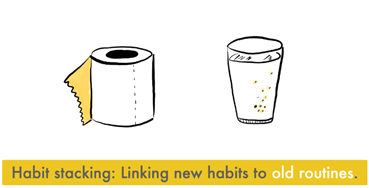
In the picture above, you see an example of habit stacking for a person who wants to drink more water during the day. Create a habit of drinking a glass of water every time you go to the toilet.
💡Bonus tip: Prepare for the Bad Days 🌩️
Changing behaviour is hard, especially when faced with unexpected challenges. That's why thinking ahead and planning for those inevitable bad days can significantly increase your chances of success. On a good day, willpower might be enough to keep you on track with your new goals, but what about when things go wrong?
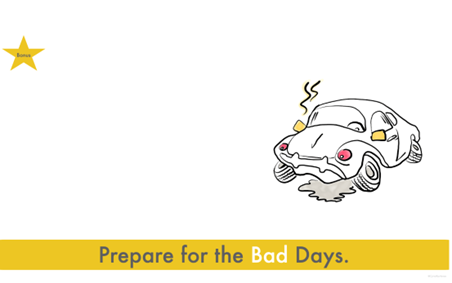
Consider this scenario: You've committed to going for a run every morning to improve your fitness. On a sunny day, it's easy to lace up your sneakers and hit the pavement. But when it's pouring rain outside, your motivation wanes, and relying solely on willpower becomes a struggle. This is where having an alternative scenario ready can make all the difference.
By anticipating potential obstacles and devising backup plans, you empower yourself to stay on course even when conditions aren't ideal.
For example, if it's raining, you could have a backup plan to do a workout at home or hit the gym instead. This proactive approach not only keeps you accountable but also ensures that you're prepared for whatever life throws your way.
The key is to think about different scenarios in advance and come up with practical solutions for each. Whether it's finding alternative activities, adjusting your schedule, or seeking support from others, having a contingency plan can help you navigate setbacks with greater ease and resilience.
So, the next time you're embarking on a behaviour change journey, don't just rely on willpower alone. Prepare for the inevitable bad days by anticipating challenges. Think in advance of three scenarios where your plan might go in a different direction and have a plan B, C and D in place. With foresight and flexibility, you'll be better equipped to overcome obstacles and achieve your goals in the long run.
💡Bonus tip: Make use of your physical and social environment 🏡
And to conclude this episode, I want to share one of the most important tips to stick to your habits. Sometimes the solution isn't just about willpower or self-discipline - it's about leveraging the environment around you. Both the physical and social aspects of your environment can play a crucial role in making your habits stick. Let's explore how you can use your surroundings to your advantage.
The Physical Environment
Your physical surroundings can either support or hinder your habits. By optimising your environment, you can set yourself up for success and make it easier to stay on track with your goals.
1. Design Your Space: Arrange your environment in a way that makes your desired habits more accessible. For example, if you want to exercise more, keep your workout clothes and equipment visible and easily accessible. If you're trying to eat healthier, stock your kitchen with nutritious foods and place them at eye level in the pantry and fridge.
2. Eliminate Temptations: Remove or minimise distractions and temptations that may derail your habits. This could mean keeping unhealthy snacks out of sight, turning off notifications on your phone during work hours, or creating a designated workspace free from clutter and distractions.
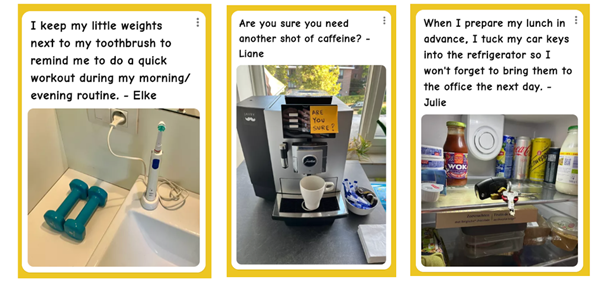
3. Create Triggers: Use visual cues or triggers to remind yourself to perform your habits. For instance, if you want to drink more water, place a water bottle on your desk or set reminders on your phone to take regular hydration breaks throughout the day.
The Social Environment
The people around you can also influence your habits, either positively or negatively. By surrounding yourself with supportive individuals and fostering a culture of accountability, you can increase your chances of sticking to your habits.
1. Find an Accountability Partner: Partnering with a friend, coworker, or family member who shares your goals can provide motivation and accountability. Schedule regular check-ins or workouts together to keep each other on track and celebrate each other's progress.
2. Join a Community: Engage with communities or groups that align with your habits and goals. Whether it's a fitness class, a book club, or an online support group, surrounding yourself with like-minded individuals can provide encouragement, inspiration, and accountability.
3. Share Your Goals: Make your goals public by sharing them with friends, family, or colleagues. By vocalising your intentions, you create a sense of accountability and may even inspire others to join you on your journey.
So take a look around you: how can you tweak your environment to better support your habits and propel you towards your desired outcomes? With a little strategic planning and the right support system in place, you'll be well on your way to making your habits stick for the long haul.
The Brainfix Series 10 - Epilogue - How it all ends

Well... This is the end of this newsletter series. I hope you have enjoyed the Brainflix Series and learned some good tips & examples. It would be really nice to receive some feedback on how you experienced the whole series. Positive ànd negative feedback - both are more than welcome!
Do you want more input, insights and energy from me? That's possible.
Feel free to email me with details about your event, and I'll get back to you quickly with a proposal.
Thanks for staying until the end of this last newsletter in the Brainflix Series.
I wish you many successful change projects & habits!
Cheers!
====
Hi, I’m Cyriel - international speaker on 'Making Change Simple'
Change is constant and often scary, but it doesn’t have to be. I bring a simple perspective to help leaders and teams tackle change confidently. Through practical insights, interaction, and humor in my keynotes, you can turn the fear of change into opportunity.
Don’t mind the change. Change your mind.